


Cold Saws Vs. Band Saws: Which Metal-Cutting Tool is Best For Your Workshop?
Looking for quality industrial saws for your workshop? Whether you’re after cold saws, band saws, or something else entirely, selecting the right metal-cutting saw can be utterly vital in maintaining productivity, precision, and efficiency in your workshop. Advancements in blade technology, digital controls, and cooling systems have enhanced cutting performance, making it more important than ever to invest in the right machine for your needs. With a wide range of options available, understanding the various saw types and essential features is crucial in ensuring that your workshop is producing work at an optimal level.

The Different Saws For Cutting Metal
When selecting a metal-cutting saw, it's important to consider the pros and cons of the options available. In industrial settings, metal-cutting saws primarily fall into two categories: band saws and cold saws. Each offers unique benefits depending on the material, cut precision, and production requirements, and understanding the key differences between the two will help you choose the best fit for your needs.
Band Saws: Versatile & Reliable
Band saws (sometimes stylised as “bandsaws”) are a versatile solution for cutting metal, especially when dealing with large or stacked workpieces. A band saw machine consists of a continuous rotating blade powered by a motor and guided by multiple wheels. This design allows them to handle bulky materials that smaller machines might struggle with, making them ideal for heavy-duty applications. Band saws for metal come in various configurations, including manual, semi-automatic, and fully automatic CNC models, catering to different production needs. Renowned for their durability and efficiency, bandsaws are a dependable choice for workshops requiring precision and high-capacity cutting.
Compared to cold saws, metal band saws offer greater versatility, making them suitable for a wide range of cutting applications. However, bandsaws sacrifice some precision, often leaving burrs on the cut edges. Their blades are disposable and cannot be sharpened, requiring periodic replacement. Despite this, they are ideal for handling high-volume cutting tasks and can process various materials efficiently. Bandsaws are user-friendly, requiring minimal expertise — simply select the appropriate blade and start cutting. They are widely used in metal fabrication for both layer and bundle cutting, providing flexibility across different applications, and they come in all shapes and sizes, including the horizontal bandsaw; a saw which features a blade that moves downward onto the workpiece, making it ideal for straight cuts in metal bars, pipes, and structural materials.
Cold Saws: Precise & Smooth
Cold saws are particularly effective for cutting a wide range of metals, including both ferrous and non-ferrous alloys. A key advantage is their resharpenable blades, which enhance durability and longevity. Their ability to deliver high-precision cuts with clean edges makes them ideal for applications where a smooth finish is essential. Cold saws use a toothed blade to cut through metal while transferring heat to the chips produced during the process, keeping both the blade and workpiece cool. This results in minimal heat buildup, reducing the risk of material distortion.
Compared to bandsaws, a cold cutting saw delivers cleaner, more precise cuts, though thit is typically better suited for smaller-capacity jobs. Their high cutting speed compensates for this limitation, making them ideal for small-scale metal cutting tasks where accuracy and efficiency are paramount. Widely used in metal fabrication and milling industries, cold saws are a go-to choice for precision cutting. For applications requiring fast, precise, and smooth cuts with minimal burrs, a cold saw is an excellent choice.
Cold Saws Vs. Band Saws
Below is a table highlighting the key differences between cold saws and band saws across various factors. This table outlines the key differences between cold saws and band saws, helping you select the best tool based on cutting quality, material capacity, and overall efficiency.
| Factor | Cold Saw | Band Saw |
| Quality of the Cut | Cold saws typically offer cleaner and more accurate cuts, with minimal burrs. | Band saws provide a decent quality of cut, but often leave burrs on the surface. |
| Blade Reusability | Cold saw blades can usually be sharpened around 30-40 times before they need replacing. | Band saw blades are disposable, and must be replaced once they have run their course. |
| Cut Speed | Cold saws offer a quicker cutting speed compared to band saws. | Band saws typically offer a slower cutting speed compared to that of the cold saw. |
| Material Capacity | Cold saws are ideal for cutting smaller materials, but may not be suitable for larger projects. | Band saws pack a larger capacity, making them capable of cutting a wider range of materials and volumes. |
| Tooling | Cold saws rely on high horsepower and torque for efficient cutting, with a focus on chip load (the amount of material removed per tooth per revolution) to ensure smooth and precise cuts. | Band saws offer straightforward blade selection. and do not require precise milling control, thus making them easier to operate for a variety of cutting tasks. |
| Cutting Technique | Cold saws require a more precise approach, as selecting the correct RPM (revolutions per minute) and tooth size is crucial for achieving clean, accurate cuts. The right RPM ensures optimal cutting speed while preventing excessive heat buildup or blade wear. | Band saws are typically simpler to operate, as they primarily require choosing the right blade for the material being cut. Unlike cold saws, they do not require precise RPM adjustments, making them more user-friendly for general metal-cutting tasks. |
| Lubrication | Lubrication is vital for keeping the cold saw blade cool, thus ensuring longer blade life. | Lubrication is also greatly needed for maintaining blade quality and preventing overheating. |
| Blade Guide System | A blade guide system is not typically required for cold saws. | Band saws require a quality blade guide system in order to ensure straight cuts. |
| Blade Wear | Cold saw blades go the distance, and can be re-sharpened many times before they need replacing, thus making them very cost efficient. | Band saw blades wear out rather quickly, thus needing frequent replacement. |
| Measurement & Set-up | Cold saws generally involves more setup time for accurate cuts and material alignment. | With band saws, measurement setup is also vital, but can be quicker due to fewer technical requirements. |
| Popular Use | Cold saws are favoured in metal fabrication fields for their high-accuracy, and their smooth, precise cuts. | Band saws are preferred for general-purpose cutting and larger material volumes. |
Buying A Metal-Cutting Saw? Consider These Important Factors
Selecting the right metal-cutting saw goes beyond basic functionality: precision plays a crucial role in achieving high-quality results. By considering the following factors, you can confidently invest in a metal-cutting saw that delivers precision, efficiency, and long-term value.
- Intended Use: Define the saw’s purpose before making a purchase. Are you expanding material capabilities, upgrading an outdated unit, or increasing production capacity? Understanding your current and future needs will help you choose the right machine.
- Production Demands: Consider your workshop’s productivity requirements. Do you need a saw for occasional use, or a high-performance machine for continuous operation? Assessing factors like hourly output, daily workload, and potential business growth will ensure your saw supports long-term efficiency.
- Build Quality: A durable, high-quality saw is essential for reliable performance. Researching product reviews, watching demonstrations, and consulting industry experts can help you evaluate a machine’s longevity before investing.
- Scalability: Select a saw that meets your immediate needs while allowing flexibility for future expansion as your business grows.
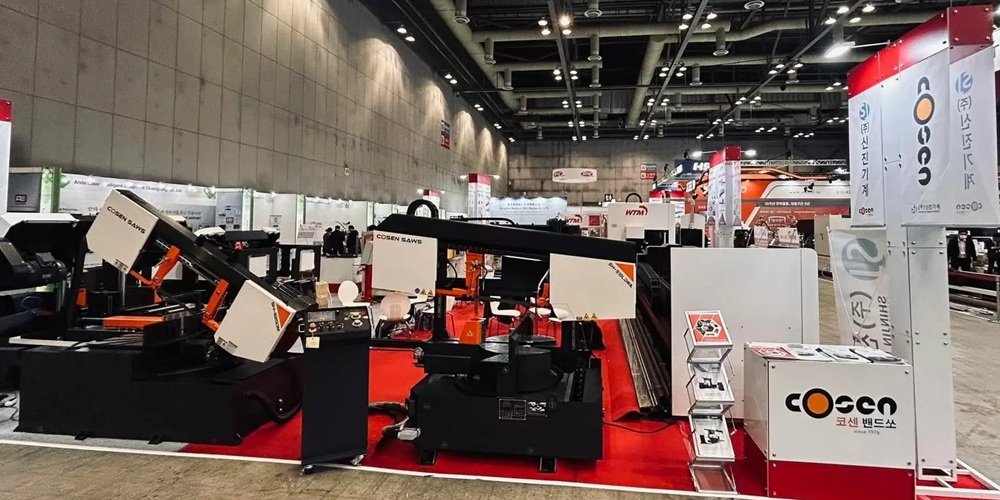
- Brand Reputation: A saw’s manufacturer significantly impacts its reliability. Choosing well-known industrial brands — such as Brobo cold saws and Cosen band saws — ensures you get a durable, high-performance machine backed by industry trust.
Need Assistance?
Applied Machinery Australia is committed to helping businesses find the ideal metal-cutting solutions for their workshops. Whether you’re after band saws, cold saws, or any other cutting machine, our expert team can provide expert guidance to ensure you make the right investment. You can browse Brobo saws for sale, including the all new all new Brobo Aluminium Cutting Saw, or check out Cosen saws for sale, including the fully automatic horizontal Cosen C-560NC Bandsaw, and the all new Cosen Double Column Fully Automatic Bandsaw. You can also head over to our homepage, where we have many other quality products and services available, including the Bossray CNC Cold Saw with Auto Feed and Auto Mitre. For all inquiries, hit us up over at the Applied Machinery contact page.
